Elaha finds a painting with the signature of "Paryush" among her father's furniture and curiously pursues the search for the owner of the painting. Her stepmother, "Nargis", who is in the hospital, doesn't know anything about the painting, but the results of the searches finally lead "Eleh" to the fact that "Paryosh" was her mother. And then he realizes that the father calmed down after the death of "Paryush" only when he met "Nargis" who was very similar to "Paryush". But "Narges" never managed to fill the empty space of "Paryosh" and soon the initial inflammation and heat subsided and indifference ruled their lives. The lack of attention and coldness of the relationship between "Narges" and father finally sent "Narges" to the hospital. The goddess, who was affected by this situation, while being grateful to her, who, as her "mother" took care of and raised her, provides an opportunity for her father to be grateful to "Nargis" as well.
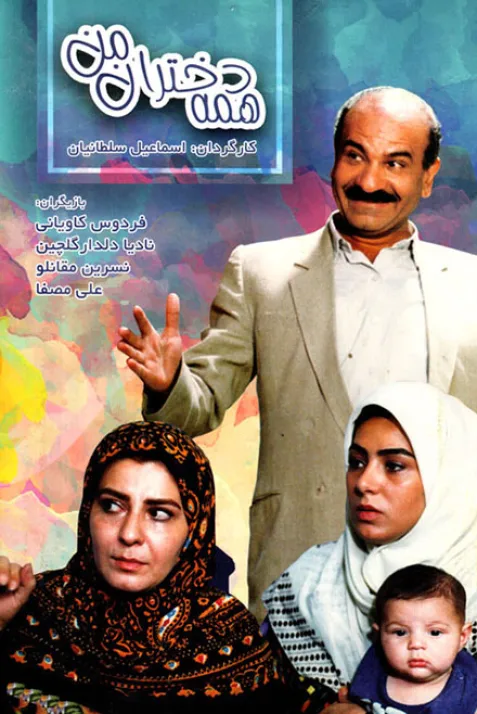
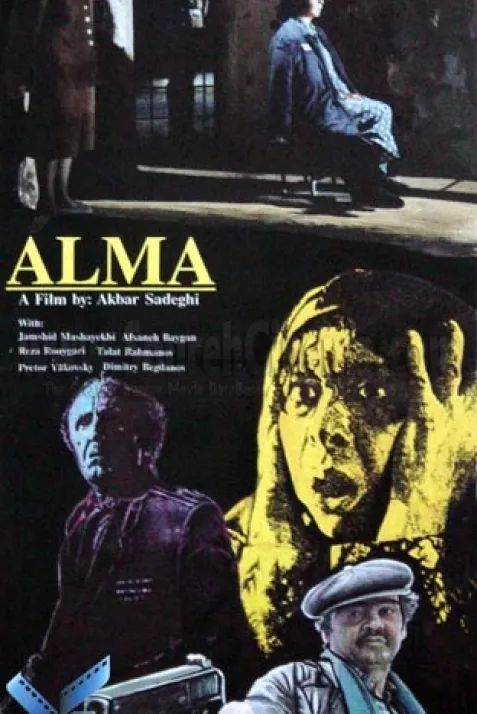
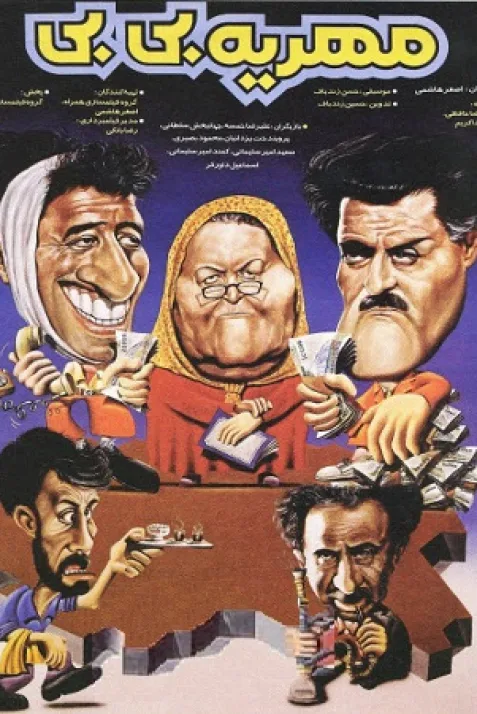
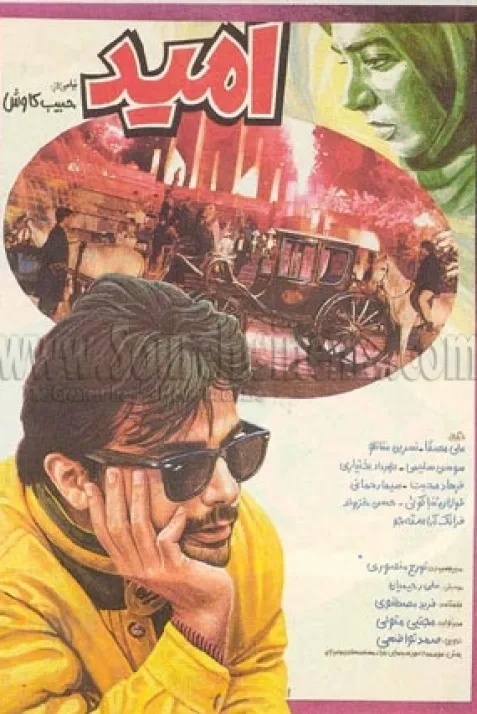
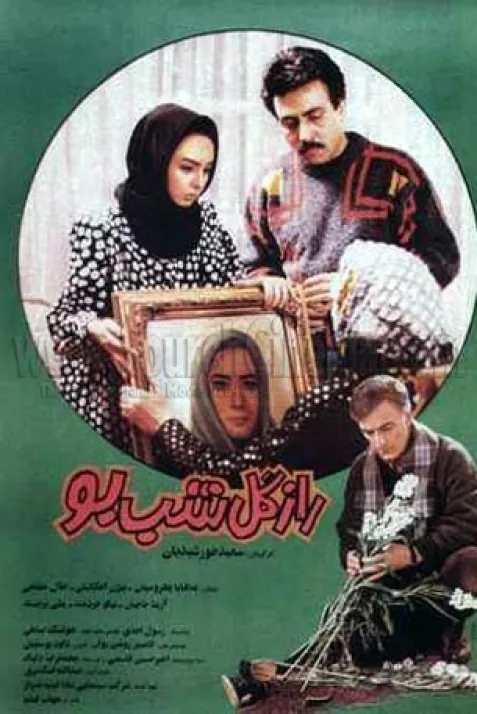
Elaha finds a painting with the signature of "Paryush" among her father's furniture and curiously pursues the search for the owner of the painting. Her stepmother, "Nargis", who is in the hospital, doesn't know anything about the painting, but the results of the searches finally lead "Eleh" to the fact that "Paryosh" was her mother. And then he realizes that the father calmed down after the death of "Paryush" only when he met "Nargis" who was very similar to "Paryush". But "Narges" never managed to fill the empty space of "Paryosh" and soon the initial inflammation and heat subsided and indifference ruled their lives. The lack of attention and coldness of the relationship between "Narges" and father finally sent "Narges" to the hospital. The goddess, who was affected by this situation, while being grateful to her, who, as her "mother" took care of and raised her, provides an opportunity for her father to be grateful to "Nargis" as well.
Loading...